

Why Craftsmanship Is the Future of Responsible Home Decor ?
Our interiors are no longer just spaces to live in. They have become quiet reflections of our values. At a time when overconsumption is reaching its limits, responsible home decor is emerging as a natural choice.

At the heart of this transformation: craftsmanship.
But why is craftsmanship truly the future of responsible decoration? And how does it differ from industrial mass production?
What Is Responsible Home Decor?
Responsible home decor refers to an approach that prioritizes:
Durable or natural materials
Thoughtful, limited production
Ethical manufacturing
Long-lasting quality
Unlike mass-produced industrial decor, handcrafted decoration follows a simple principle: quality over quantity.
It promotes more conscious and sustainable consumption.

Craftsmanship: Production on a Human Scale
Artisans create in small batches, sometimes producing one-of-a-kind pieces.
This human-scale production allows:
Careful quality control
Reduced surplus and waste
Better resource management
Attention to material authenticity
Each handcrafted decorative object carries intention, skill, and time.
This approach naturally limits overproduction and avoids the rapid consumption cycles typical of industrial manufacturing.

A Lower Environmental Impact
Why is craftsmanship more eco-friendly than industrial production?
Mass production often involves:
Long global supply chains
Energy-intensive manufacturing
High-volume output leading to excess waste
In contrast, craftsmanship encourages:
Shorter supply chains
Limited production runs
Carefully selected materials
Handcrafted wall decor, textiles, or home accessories are designed to integrate into interiors for years — not seasons.
Less transportation.Less waste.Less standardization.
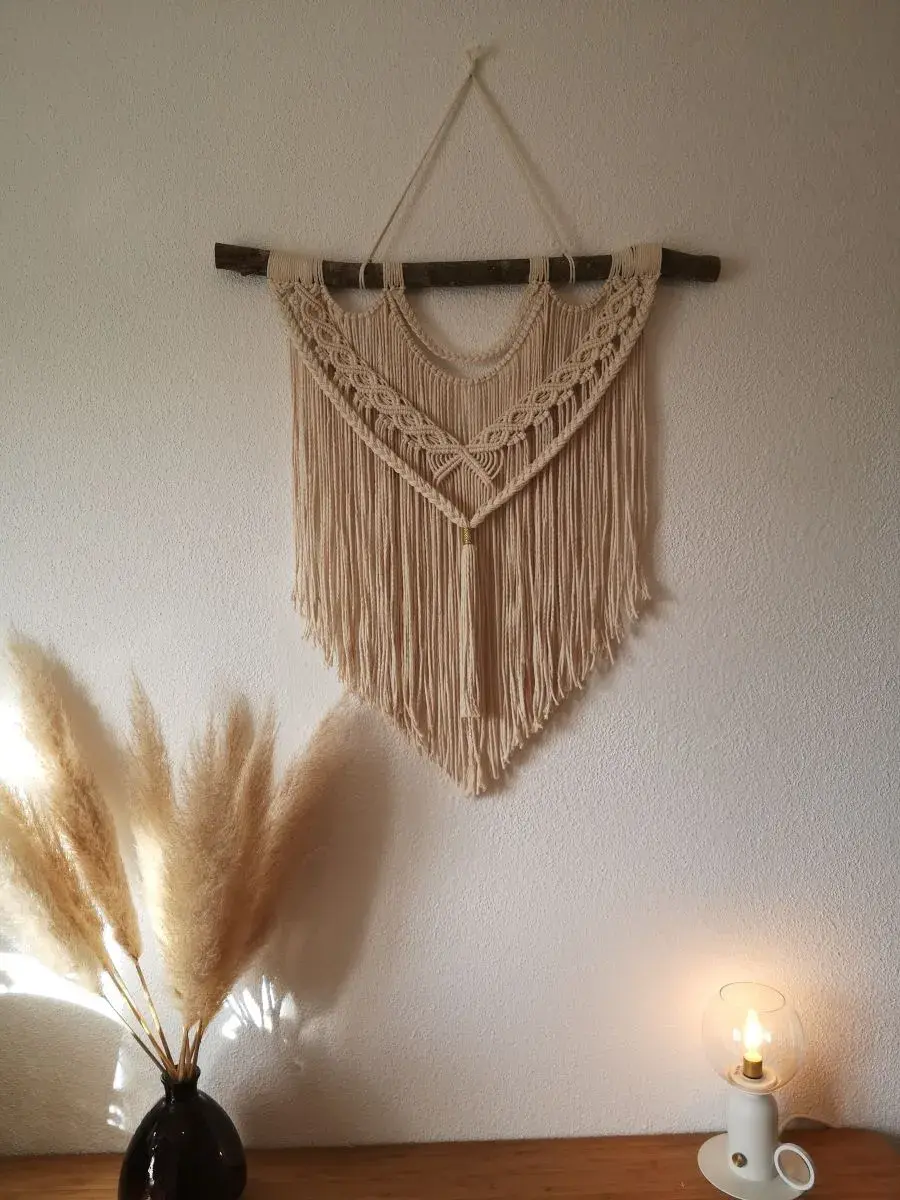
Durability: Designed to Last
A handcrafted object is not created to follow fleeting trends.
It is made to endure.
Durability relies on:
High-quality materials
Attention to detail
Mastery of traditional techniques
Investing in artisanal decor reduces repetitive purchasing cycles. It shifts consumption away from disposable decoration toward long-term value.
Over time, a durable object often proves more cost-effective than frequently replaced industrial alternatives.

Preserving Know-How and Supporting a Responsible Economy
Responsible decoration is not only about environmental impact.
It also carries a social dimension.
Choosing handcrafted textiles, handmade wall art, or artisanal home products supports:
Independent workshops
Cultural traditions
Skilled craftsmanship
Fairer economic systems
Each purchase becomes a conscious act.

Uniqueness as a Sustainable Value
Industrial production standardizes interiors.
Craftsmanship introduces:
Natural irregularities
Authentic textures
Strong identity
A home filled with handcrafted decor tells a story. It evolves over time and reflects personal choices rather than mass-market trends.
This uniqueness is a key pillar of responsible decoration: buy less, choose better.

Why Craftsmanship Meets Modern Consumer Expectations
Today’s consumers seek:
Transparency
Traceability
Meaning
Long-term quality
They ask clear questions:
Where does this product come from?
Who made it?
Under what conditions?
How long will it last?
Craftsmanship naturally answers these concerns.
It aligns with the growing demand for ethical, sustainable, and authentic home decor.
Craftsmanship and the Responsible Home: A New Model
The future of decoration no longer lies in accumulating objects.
It lies in:
Thoughtful selection
Durability
Authenticity
Respect for resources
Whether through handcrafted wall art, artisanal textiles, handmade decorative objects, or natural handmade soaps, every piece can carry meaning.
A responsible home is not minimalist by constraint. It is coherent by conviction.

FAQ – Craftsmanship and Responsible Decoration
What is responsible handcrafted decor?
Responsible handcrafted decor refers to handmade objects produced in small batches or as unique pieces, using durable materials and ethical practices. It values human skill over mass production.
Is craftsmanship more sustainable than industrial production?
Yes. Craftsmanship typically involves lower production volumes, shorter supply chains, and reduced waste, leading to a smaller environmental footprint.
Are handcrafted products more durable?
In most cases, yes. Artisanal products are made with quality materials and careful attention to detail, designed to last for years rather than seasons.
Is handcrafted decor more expensive?
The price reflects time, skill, and material quality. Over time, durable handcrafted pieces can be more cost-effective than frequently replaced mass-produced items.
Why choose handcrafted decor for your home?
Because it creates a unique, meaningful interior while supporting ethical production and skilled artisans.
Conclusion: Consume Less, Choose Better
Craftsmanship is not a passing trend.
It represents a shift toward more conscious, durable, and human-centered decoration.
Choosing handcrafted decor means:
Reducing environmental impact
Valuing human skill
Investing in longevity
Creating a truly unique home
The future of responsible decoration may simply lie in returning to what matters most: the hand, the material, and the time invested in each piece.
Ready to transform your home with unique handcrafted pieces? Discover our selection on MIIZA and let yourself be inspired by craftsmanship from around the world.
Don’t wait any longer — choose ethical craftsmanship with MIIZA for interior décor that truly matters.
To learn more about our unique creations — wall hangings, small decorations, macramés, candles… all in a bohemian spirit — visit our website: www.miiza.fr
From handcrafted décor made in France to pieces created in Asian villages and beyond, each item tells a story of skill and soul.
You can never go wrong with a gift card — choose an amount and write a personalized message to make your present truly special.

All this while respecting the environment. See you soon!
Ready to embrace sustainable decoration?
Explore our artisan collection now on MIIZA, and discover how your choices can make a difference.


Comments